Friday, June 3, 2011

Nut Mix


There are many recipes and other things I do with food that never make it to this blog. This is mostly because I never think about how it could be useful to someone! This past semester, however, I have found that I need should include more of these "basics" that I do everyday on the blog. Several times I have mentioned something briefly to a friend, only to learn that they are intrigued and want to know more! What seems obvious to me as "normal" dish, recipe or idea, is not to other people, so I am going to work on blogging about these miscellaneous items. After all, I am here to help :)

Topic one? Nut mix.


Getting ready to assemble!

I've been making nut mix since middle school. My mom needed something granola-like one day for her yogurt and since we are a nut-loving family, I pulled out our much used nut chopper and this is what I came up with. The recipe changes a little each time it is made, and this version is fairly different than the original. With each batch, however, the concept remains the same. Feel free to try your own nut combinations and get the flavors just how you like. I find that macademias make a creamier consistency, walnuts make a fantastic slightly bitter base, peanuts add that American flavor, pistachios add some color, almonds are a good filler and pecans make it slightly sweet.

Bowl 1: walnuts; Bowl 2: cashews and pecans;
Bowl 3: almonds and macadamias.

The ratio I generally follow goes like this:

6  :  4  :  3  :  3  :  2  :  1
Walnuts - almonds - pecans - cashews -  pistachios - macadamia nuts

My mom likes to grind flaxseed, pumpkin seeds, and sunflower seeds and add them to the mix, but I find that this makes the nut mix a bit more powdery and not as chunky and crunchy, for my taste. Also, I believe that due to their fragile omega-3 FFAs that these seeds should be stored in the refrigerator, therefore I always keep them in separate jars and pull them out as needed from the fridge. Flaxseed especially has very fragile omega-3's and should NEVER ever be heated. This is why I never use flaxseed in baking. The heat damages the fats and makes them rancid.

Coconut, cinnamon, nutmeg, fine sea salt.

Here are some other nut combinations I've enjoyed in the past:

Walnuts - peanuts - almonds - pecans - pistachios - brazil nuts

Walnuts - cashews - peanuts - almonds - pecans - pistachios

I really like to have peanuts in the nut-mix, but I have found that peanuts (which are a legume not a nut) are particularly hard to digest and often contain a dangerous type of mold, a type of aflatoxin. Because of this, I am sure to always buy my peanuts organic. I used to be a huge peanut butter-aholic but I have since reduced my consumption and my digestion feels so much better. Now I prefer not to have peanuts. A legume, like a bean, needs to be soaked from its dry form, then cooked. Why don't we do the same to peanuts? Now if I want to have some peanuts I will make them like crispy nuts, in which I soak the peanuts for at least 12 hours and then boil them before roasting them until they are crispy.  This makes the peanut so much more digestible, with less anti-nutrients and will take care of any of the toxic mold in the peanut.


No matter what combination I use, walnuts are always the base. I love how the texture of walnuts and how they are slightly bitter, but yet have a nice mild flavor and crunch to them. The chopped walnuts also adhere really well to the cinnamon and help incorporate them into all the nuts.


Nut Mix
feeds several people breakfast for 2-3 weeks

Nuts and such:
   Walnuts
   Sliced almonds
   Cashews
   Peanuts
   Pecans
   Pistachios
   Macadamias
   Brazil Nuts
   Hazelnuts
   Coconut - make sure it's flaked


Spices:
   1/4 cup cinnamon
   1 Tbsp fresh ground nutmeg
   1 tsp sea salt
   Other spice ideas: cocoa powder, allspice, cloves, ginger

To assemble your mix:
1. Grind nuts** to desired quantity and mix together in a big bowl (use your hands ;).
2. Measure out spices and coconut and add to the bowl. Mix well. The mixture should go from looking like plain nuts to having a darker brownish color from the cinnamon.
3. Pour into desired container and store until further use. For optimal freshness, keep in the fridge.

** Use any kind of nuts desired. Sometimes I use every single nut I have on hand!

Close up.

When I first named the nut mix I called it "Meg's Masterpieces," since it was a master mix of a whole ton of things! It was fun to call it that for a while, but then my mom began to call it "Nut Mix" and we've been making it every month when it runs out ever since. My mom absolutely loves it and puts it at the bottom of the her oatmeal in the winter and then her yogurt in the summer. I like to add raisins, cocoa nibs, berries and bananas to it and eat it with raw milk, coconut milk or goat or greek yogurt for breakfast. It's a great grain-free way to get some crunchy protein and fat in the morning. Not to mention it's delicious!!

Happy Breakfasts!

Wednesday, June 1, 2011

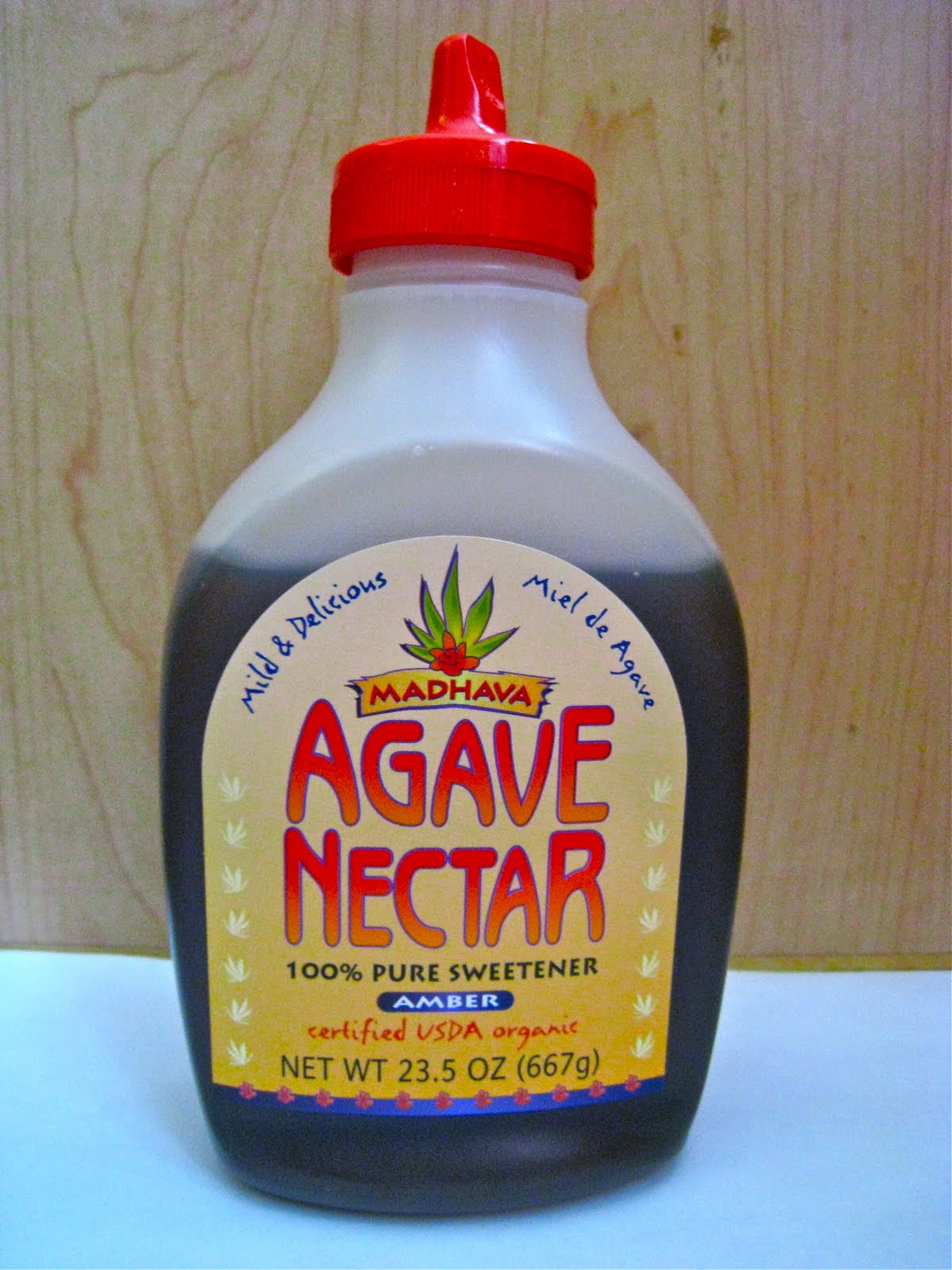
Agave Science and Recommended Sweeteners

Photo credit- Sheknows.com
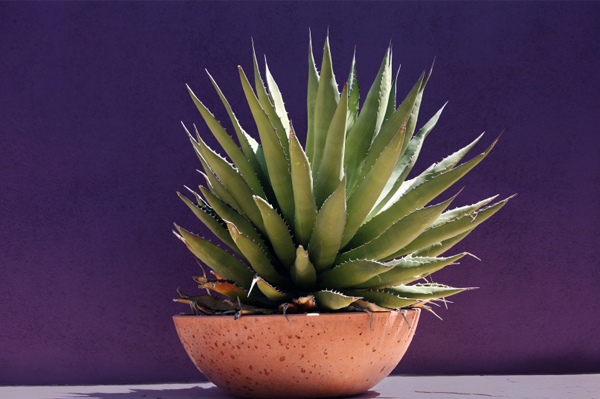
The debate between agave and it's benefits and safety as a sweetener is a subject which has been hotly debated. (Are you sick of it by now?) Unfortunately, before learning about the truth about agave I was an agave-holic too. Some of you reading this have probably already made your own conclusions about the issue, but for those of you who are new or late about hearing about "the great agave debate," I just wanted to share what I have learned, from both a personal and a scientific perspective.

At the beginning of my health and later blogging journey, I learned about agave online, probably from another food blogger who was into it. After picking some up from the store, I started implementing it in all my recipes, thinking that this mild-tasting, low-glycemic, raw, no-cane sugar sweetener, would be the perfect sugar alternative. Safe for diabetics? Sounds good to me, I have always been sensitive to sugar and it's affects on me. Slowly but surely I gradually started to buy more and more, putting agave in recipes and adding it to my tea, buying coconut milk ice creams sweetened with agave and loving "raw" agave desserts.


When the word came out that agave is not as great as it is cracked up to be, I was saddened. I should no longer eat the coconut ice cream I grew to love, and no longer drizzle the delicious honey-agave mixture over my crumbly cornbread. But when I read the science, I knew. You can't argue with science.

After doing some research, I went throughout the kitchen and threw out my bottles of agave, dug through my freezer and threw away the baked goods I had made with agave syrup, stopped putting it into my morning smoothies and sadly threw away my coconut milk ice creams (after a bite of good bye ;) ). From where I am now, I don't look back. I know my decision is the best for my body... and here are a couple reasons why I don't support agave syrup.

1) The food industry has propelled it from two or three bottles on some small health food market shelves, to an agave section bigger than honey in large grocery stores like Whole Foods Market, Walmart, your local grocery (Albertson's, Hannafords, Shaw's, Stater's, Publix). The food industry is not as trustworthy as we consumers are led to believe. Just as the soy and low-fat agenda is being pushed upon us, so is agave. When something goes mainstream, I take notice. If it sounds too good to be true, it is.

2) Agave syrup is a relatively new product. Since learning from the Weston A. Price foundation about real food and traditional diets, I have learned that new foods are not necessarily good foods. Food should be unprocessed, and close to it's most original source and form as possible. Agave nectar is very far from meeting this criteria. See my next couple points to discover why. With "new foods" we don't know their affects on the human body long term. It's better to stick with traditional foods that our parents and grandparents and generations before them have been eating. Fresh milk, happy eggs, real meats, poultry, nourishing fats, fresh vegetables, fruits, nuts and seeds.

3) Agave syrup is very high in fructose. We need to be mindful about the amount of fructose we are consuming, since our body is not adequately prepared to handle large doses of fructose in a single time. Products containing agave and HFCS overload the abilities of our body to deal with the excess amounts of fructose. Fructose is dealt with specifically by our liver. And unlike glucose, fructose does not activate the hormonal pathways (gherlin) in our body which cause us to feel satiated. A person will eat more of a product with fructose in it, than something with glucose, since glucose stimulates those pathways and causes you to realize that you've had enough. Small amounts of fructose is ok, it occurs naturally in fruits. Large amounts of fructose in any form, be it agave, HFCS, or fruits, is not recommended. And perhaps the most shocking thing is... that agave syrup is actually higher in fructose than high-fructose corn syrup!!

4) Just because it's "natural" and in the health food store or carried by Whole Foods, does NOT mean that it is good for you. Jenny over at Nourished Kitchen highlighted this issue in popular blog post you can read here.

5) Agave syrup is extremely processed. It is not "natural." Like how industrial oils are processed, agave syrup is extracted and heated and poked and prodded to become the syrup we see on the shelves.

Photo credit - www.bengreenfieldfitness.com

As if all the evidence was not enough, for me and my decision, it comes down to this: I eat real food. Agave is not a real food since it is extremely processed. Therefore I do not eat agave.

Sweeteners the WAPF would recommend, and I would too are stevia, raw honey, maple syrup and coconut sugar.

     I used to buy my raw honey online here, but most recently I tried some local honey which I purchased from my favorite grocery store. The honey was made in Maine, and was fantastic! It is more expensive for a smaller jar, but you can actually use less since it is about 40% more sweet and more flavorful.

Photo credit - www.roosterbrother.com

    For maple syrup, I buy organic at the grocery store. Last summer, however, my mom and I were antiquing in Queechee, VT and we bought a GALLON of organic maple syrup from a lovely family at the farmers market there. Grade B maple syrup has more vitamins and minerals and tastes the best, with a richer, darker, bolder flavor. Grade A is thinner and less rich, and is the type most people pour on their pancakes.

Photo credit- Vitacost.com
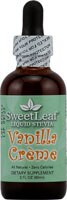
    Stevia is great! There are many different brands out there, and each one has different ingredients and strengths. My most favorite is Sweetleaf vanilla creme stevia, which blogger friend Kelly turned me on to. My Naturopath actually spoke to the company and Sweetleaf is the only stevia that is not watered down or full of fillers.

Photo credit - Zebra Organics
    Coconut sugar has the greatest flavor. I think of it as a sugar that tastes like evaporated cane juice mixed with maple syrup but has the texture of Sucanat. It's perfect for making your own homemade hot cocoa mixture, or for browning tops of gluten free muffins.


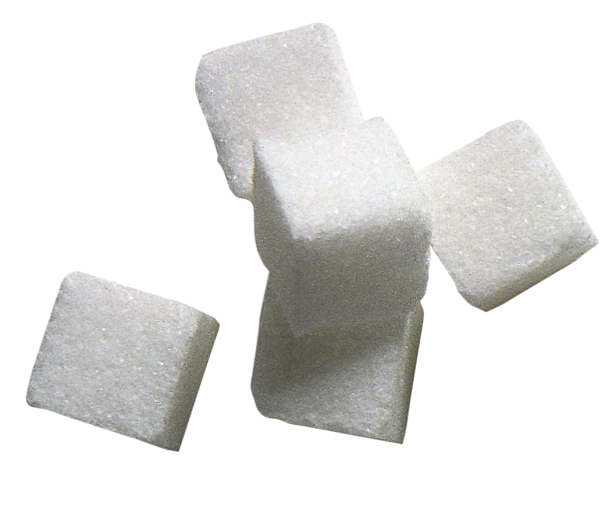
Based on all the evidence here, I would go so far as to recommend pure cane sugar over any other sort of "fake sweetener" whether it is agave, xylitol, erithrytol, Splenda, NutraSweet, Equal, etc. Your body knows what to do with glucose, but it cannot handle these different substances. Glucose is real, these other sweeteners are NOT!

I hope that this was helpful for some of you. Many of my friends have been confused and wondering why agave really isn't good for you! It's easy to be deceived into thinking something is true since we often times do not get the facts right or do the research ourselves first. What decision have you made about agave?

I'd love to hear your thoughts,

Check out these other articles for some more information:


Sunday, May 29, 2011

Woah!

Is all I can say! I've been gone virtually all semester. The last time you heard from me was when I shared my delicious Sunbutter Chocolate Protein Bars. I've been home two days and can't wait to make them again soon, but first let me back up and share a little bit about just where has Meagan of MNuffins been?

Well, I'll tell you, I've been...

Studying the digestive system,


Suffering through Physics 2,


Enjoying the California Spring-time flowers,


Spending some time at Disneyland,


Taking pictures of things NOT related to food,


Finding REAL POT ROAST at Whole Foods,


Eating a couple or a couple hundred salads,


Cooking and experimenting with new meals during Spring Break,


Eating at the first fine dining restaurant of my life,


Snapping pictures of a San Diego coastline,


Having many delicious breakfasts,


Picking up the best magnet ever, thanks to a friend,


Isolating my own DNA,


and much much more!

Overall, it was a very hard semester. But through all that hardship it was clearly a semester of growth. I very happy to say that I am finished and am back in the North East for the summer. It's good to be back. It's been a lot to process emotionally. Finals week, storage and ending up in the airport all happened way too fast. I have experienced so much change already.

I sincerely look forward to sharing more recipes that I've been dreaming up all semester. Thanks for visiting and always checking back even though my posts are not as frequent as they could be. My studies come first. And of course, welcome to all new readers!

Let SUMMER begin :)